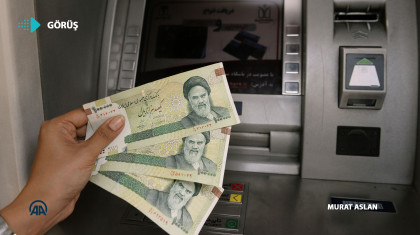

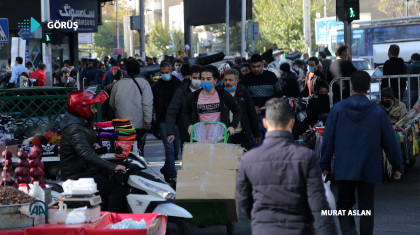
Income distribution and poverty indicators have severely worsened in the last three years, especially in the rural areas in Iran.

If the nuclear talks in Vienna result in a deal, the exchange rate is expected to regress to 16,000-18,000 tomans.

The situation of the foreign exchange reserves is predicted to worsen along with other economic indicators in Iran, where the sanctions have imposed critical challenges.

There is an upward trend in trade between the two countries in the first two months of 2021 compared to the same period of the previous year.

The US’s new foreign policy towards Iran is not clear yet, but Turkish entrepreneurs have not been “the winners” of the US’s withdrawal from the JCPOA.
Although Rouhani’s recent financial package is noteworthy, without reducing the geopolitical risks and addressing the structural problems in Iran, the package can only buy some time.
The US sanctions have not only impacted the daily lives of Iranian people but also adversely affected universities, researchers, and scholars in Iran.
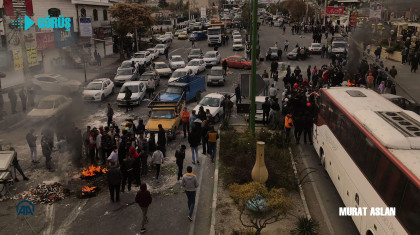
Iran may not be able to withstand pressure much longer
Iran’s economy has witnessed multi-tier and unstable exchange rate systems which echo different ideological priorities, necessities of profitability in semi-market conditions and rentseeking contributions.
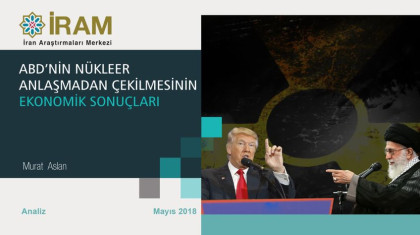
A number of incidents which took place following Iran’s Islamic Revolution rapidly escalated the relations between Iran and the Western countries, particularly the US.

Upon his return from the United States in September, President Erdoğan publicized his October 4th visit, along with a group of Turkish ministers and advisors, to Iran, which has been considered a significant event.