

The regional equation, along with Iran’s and the PKK’s positioning in this equation, shapes the general characteristic of the Iran-PKK relationship.
In terms of energy (both fossil-based and green), geopolitics, geoeconomics, trade, finance, health and digital security, and media and soft power, China’s influence in the region has been growing in the past two decades.

The National Internet Network project which the Iranian government has begun to build since the 2000s, has been an important step for the isolation in Iran’s cyber domain.

Joint Comprehensive Plan of Action (The JCPOA) should be understood in the geopolitical context of Obama’s Pivot to Asia. Obama’s Pivot to Asia was meant to contain China and reduce the American involvement in the MENA region.

First employed by Saudi Arabia against the Al-Sahwa Movement and later expanded for further use, the Madkhali Salafists have become a military organization, as seen in Yemen and Libya.

In the global contest for obtaining political and economic power, there are newly emerging trends; geoeconomics and regionalization processes are among those new trends.
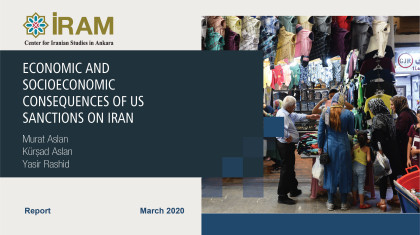
US sanctions affect economic, social, cultural, and political domains.
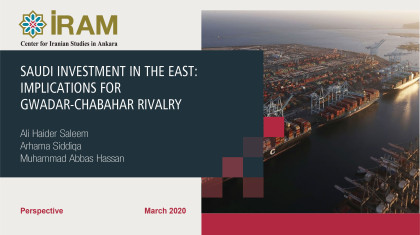
Notwithstanding their strong position against Iran, the US views Indian investment in Chabahar as a positive sign because it counters China.
Since the inception of the Arab uprisings, the MENA region has been an open battlefield for regional and foreign actors.

Trilateral cooperation with Iran and India offers economic integration for Turkey and helps facilitate it to become one of the world’s top ten economies.
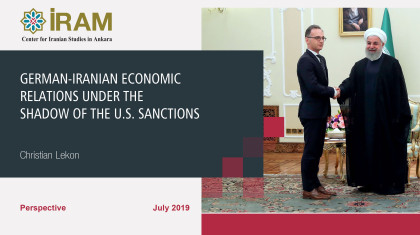
After the US withdrawal from JCPOA, and announcements about new sanctions, German-Iran trade volume declined drastically.