

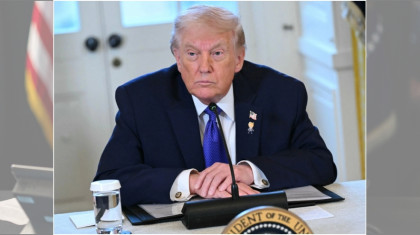
What is emerging, then, is not a stable post-war order but a fragile state of “neither war nor peace.”
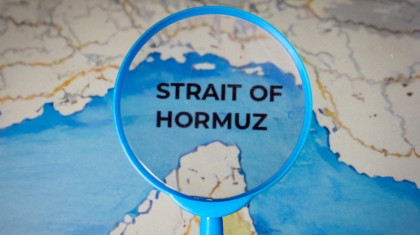
It has not retreated on Hormuz, describes a return to pre-war conditions as no longer possible, and asserts absolute sovereignty and initiative in the strait.

The course of the war reveals a fundamental paradox: while none of the principal actors appears capable of achieving a decisive victory, all retain sufficient capacity to obstruct a stable resolution.

The Iraqi elections constitute a critical juncture that will directly influence Iran’s regional strategy.
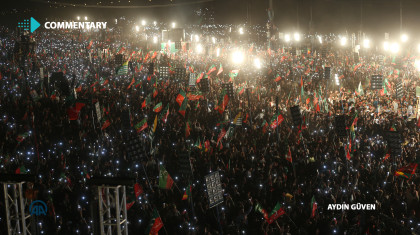
The tradition of the elected governments not completed five-year tenure continued with the removal of Imran Khan from the office of PM before the end of his term.
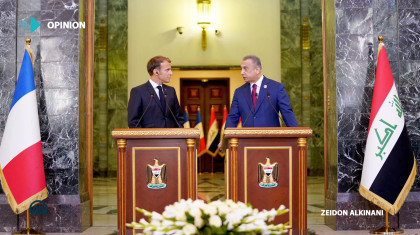
French ambitions in Iraq present various indicators towards a geopolitical balance of power and economic gains.

The divided Gulf region is witnessing new shifts in its approaches towards Türkiye and Iran with the emergence of post-COVID-19 economic implications and a weaker US military presence.

Even if these attacks are accidental, as Israel claims, it will certainly put Tehran at ease, which has been distressed by the internal demands for retaliation.
In this new era, when increasing the US troops in Iraq is being discussed, the rivalry between Iran and Saudi Arabia will continue on the Iraqi field.


