

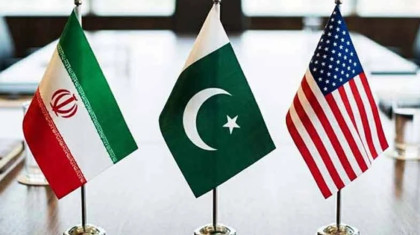
Pakistan’s role is not to impose a settlement, but to ensure that when either side is prepared to step back from confrontation, a diplomatic channel and a workable framework remain available.
What is emerging, then, is not a stable post-war order but a fragile state of “neither war nor peace.”
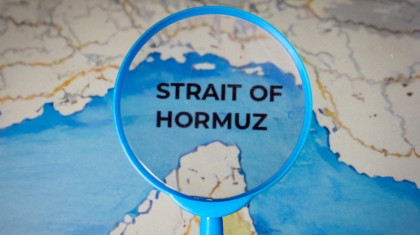
It has not retreated on Hormuz, describes a return to pre-war conditions as no longer possible, and asserts absolute sovereignty and initiative in the strait.
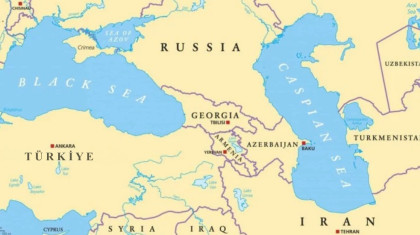
Ukraine and Iran avoided escalation through ambiguity, but the Caspian incident exposed how fragile that restraint remains

The fate of the Islamic Republic will be determined not by military superiority alone but by the outcome of this longer and more uncertain struggle. It is precisely there that Israel has now turned all of its attention.

Tehran can no longer rely exclusively on forward defense and must place greater emphasis on its own deterrence and self-defense capabilities.

The course of the war reveals a fundamental paradox: while none of the principal actors appears capable of achieving a decisive victory, all retain sufficient capacity to obstruct a stable resolution.

Israel's chronic problem is the gap between tactical victory and strategic success.

YPG’s recent setbacks extend well beyond the Syrian theater. They may act as a catalyst for broader recalibration among Kurdish armed movements operating against the Islamic Republic –one that privileges political survivability over armed maximalism.


