

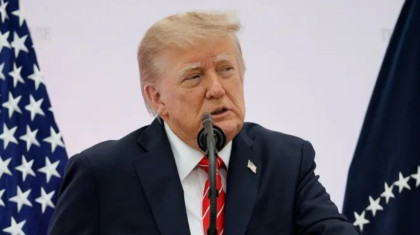
The cost of the war for Washington continues to mount with each passing day. The decision Trump makes after the midterm elections will reveal how the U.S. president chooses to pay that price, rather than reflect a coherent strategy or a shared assessment within the U.S. administration.
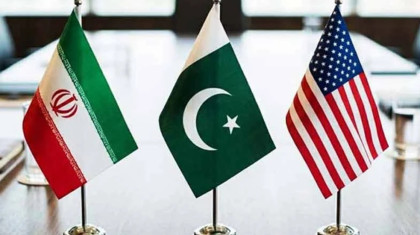
Pakistan’s role is not to impose a settlement, but to ensure that when either side is prepared to step back from confrontation, a diplomatic channel and a workable framework remain available.
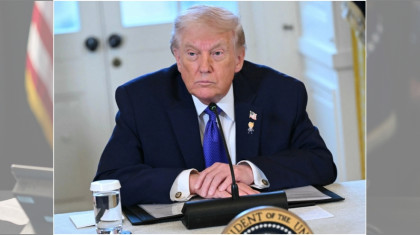
What is emerging, then, is not a stable post-war order but a fragile state of “neither war nor peace.”

The course of the war reveals a fundamental paradox: while none of the principal actors appears capable of achieving a decisive victory, all retain sufficient capacity to obstruct a stable resolution.

Israel's chronic problem is the gap between tactical victory and strategic success.

While limited and transactional cooperation mechanisms may emerge between Tehran and Riyadh, a deeper and more enduring strategic alignment between the two countries remains improbable in the near term.

For Tehran, the Zangezur Corridor thus represents less a binary choice between obstruction and acquiescence than a test of its ability to align strategic red lines with policy innovation.

Israel’s airstrikes aim to weaken Iran, create domestic chaos and gain broader regional dominance


