

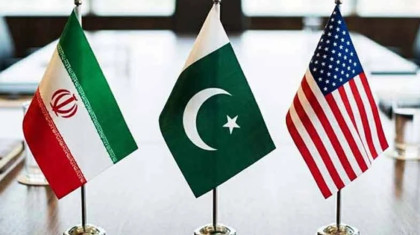
Pakistan’s role is not to impose a settlement, but to ensure that when either side is prepared to step back from confrontation, a diplomatic channel and a workable framework remain available.
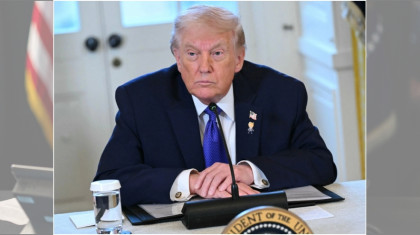
What is emerging, then, is not a stable post-war order but a fragile state of “neither war nor peace.”

The war that began on 28 February has transformed the Iranian nuclear threat in Saudi strategic thinking from a hypothetical scenario into a concrete, long-term security challenge, reinforcing Riyadh’s view of nuclear capabilities as an instrument of strategic balancing and national security.

From Tehran’s perspective, Lebanon is not a secondary negotiating issue but a critical component of its long-term security strategy.

The course of the war reveals a fundamental paradox: while none of the principal actors appears capable of achieving a decisive victory, all retain sufficient capacity to obstruct a stable resolution.

The Iraqi elections constitute a critical juncture that will directly influence Iran’s regional strategy.

While limited and transactional cooperation mechanisms may emerge between Tehran and Riyadh, a deeper and more enduring strategic alignment between the two countries remains improbable in the near term.

For Tehran, the Zangezur Corridor thus represents less a binary choice between obstruction and acquiescence than a test of its ability to align strategic red lines with policy innovation.

Israel’s airstrikes aim to weaken Iran, create domestic chaos and gain broader regional dominance


