

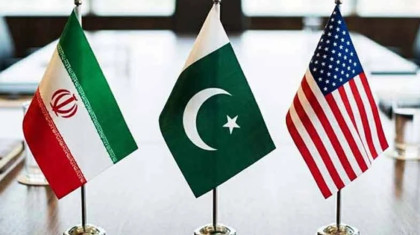
Pakistan’s role is not to impose a settlement, but to ensure that when either side is prepared to step back from confrontation, a diplomatic channel and a workable framework remain available.
What is emerging, then, is not a stable post-war order but a fragile state of “neither war nor peace.”
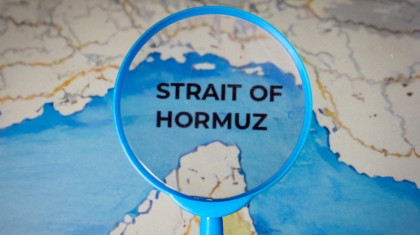
It has not retreated on Hormuz, describes a return to pre-war conditions as no longer possible, and asserts absolute sovereignty and initiative in the strait.
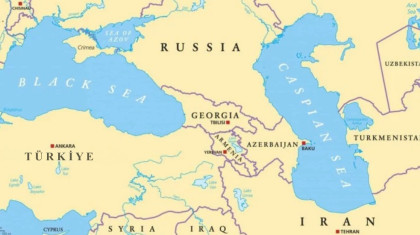
Ukraine and Iran avoided escalation through ambiguity, but the Caspian incident exposed how fragile that restraint remains

Iran is not holding firm because it rejects diplomacy. It is doing so because, from Tehran’s perspective, retreat would not resolve the crisis –it would simply strip the Islamic Republic of the very instruments it considers essential to endure it.

With the outbreak of the war on February 28, the nuclear issue has been absorbed into a far broader bargaining environment in which longstanding disputes over sanctions, ballistic missiles, regional influence, and entrenched mutual distrust now intersect with a new set of geopolitical frictions generated by the war itself.

Hardline factions such as the Paydari Front, whose ideological rigidity and institutional foothold in parliament and the media give them considerable discursive weight, remain a domestic pressure point that Iranian decision-makers must carefully navigate.

The Iraqi elections constitute a critical juncture that will directly influence Iran’s regional strategy.

Iran’s decision to suspend cooperation with the IAEA represents a high-stakes gambit – an attempt to enhance deterrence without formally exiting the NPT.

Tehran seeks an exit from a potential crisis with the U.S., while Israel pushes preemptive options to guarantee its safety

