

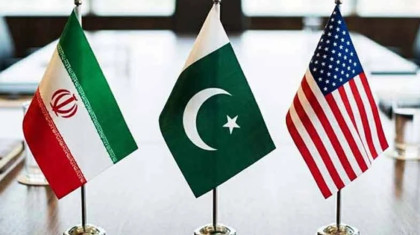
Pakistan’s role is not to impose a settlement, but to ensure that when either side is prepared to step back from confrontation, a diplomatic channel and a workable framework remain available.
What is emerging, then, is not a stable post-war order but a fragile state of “neither war nor peace.”
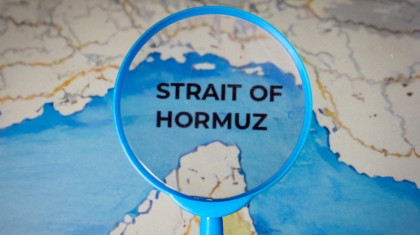
It has not retreated on Hormuz, describes a return to pre-war conditions as no longer possible, and asserts absolute sovereignty and initiative in the strait.
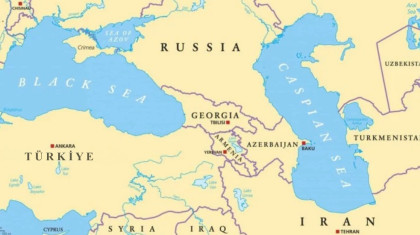
Ukraine and Iran avoided escalation through ambiguity, but the Caspian incident exposed how fragile that restraint remains

Israel faces constraints as Iran remains resilient, the U.S. limits escalation and domestic politics drive risk with fewer options

The fate of the Islamic Republic will be determined not by military superiority alone but by the outcome of this longer and more uncertain struggle. It is precisely there that Israel has now turned all of its attention.

From Tehran’s perspective, Lebanon is not a secondary negotiating issue but a critical component of its long-term security strategy.

With the outbreak of the war on February 28, the nuclear issue has been absorbed into a far broader bargaining environment in which longstanding disputes over sanctions, ballistic missiles, regional influence, and entrenched mutual distrust now intersect with a new set of geopolitical frictions generated by the war itself.

Hardline factions such as the Paydari Front, whose ideological rigidity and institutional foothold in parliament and the media give them considerable discursive weight, remain a domestic pressure point that Iranian decision-makers must carefully navigate.

The course of the war reveals a fundamental paradox: while none of the principal actors appears capable of achieving a decisive victory, all retain sufficient capacity to obstruct a stable resolution.

