

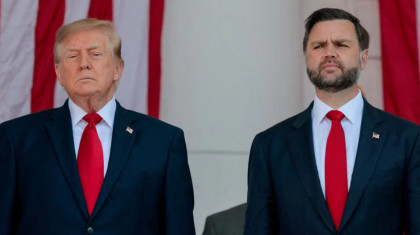
For Tehran, the significance of the election results lies not merely in President Trump’s political setback, but in the prospect that the economic costs of confronting Iran could become a lasting constraint on Washington’s willingness to resort to military force.
The cost of the war for Washington continues to mount with each passing day. The decision Trump makes after the midterm elections will reveal how the U.S. president chooses to pay that price, rather than reflect a coherent strategy or a shared assessment within the U.S. administration.
What is emerging, then, is not a stable post-war order but a fragile state of “neither war nor peace.”

With the outbreak of the war on February 28, the nuclear issue has been absorbed into a far broader bargaining environment in which longstanding disputes over sanctions, ballistic missiles, regional influence, and entrenched mutual distrust now intersect with a new set of geopolitical frictions generated by the war itself.

China and Russia, the influential powers in the SCO, have abandoned their reservations in their relations with Iran in recent years and established a more comprehensive relationship.


