For Tehran, the significance of the election results lies not merely in President Trump’s political setback, but in the prospect that the economic costs of confronting Iran could become a lasting constraint on Washington’s willingness to resort to military force.
Did Iran Win the U.S. Midterm Elections?

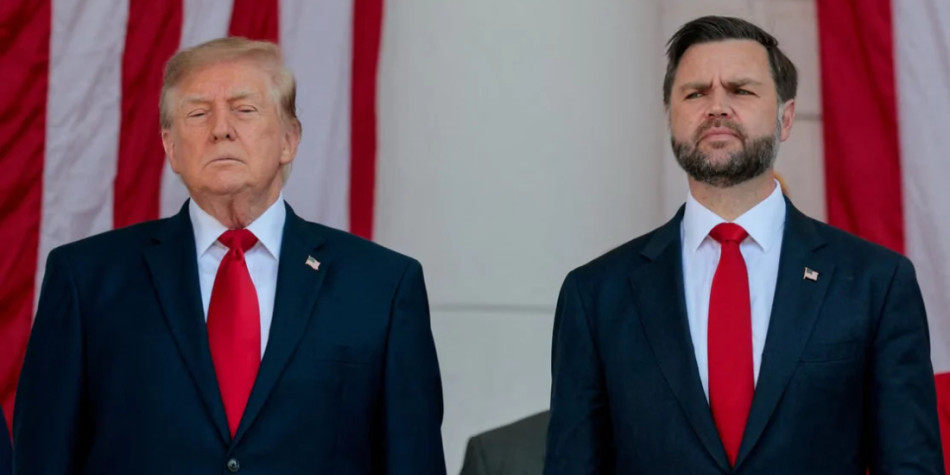
Iran may have suffered heavy military and economic losses in its war with the United States, but the November 3 midterm elections suggest that Tehran could nevertheless emerge with a strategic advantage. Rising living costs, high energy prices and public opposition to the war appear to have contributed to the Republicans’ heavy defeat, exposing a vulnerability that could shape Washington’s approach to Iran long after the fighting ends. For Tehran, the significance of the election results lies not merely in President Trump’s political setback, but in the prospect that the economic costs of confronting Iran could become a lasting constraint on Washington’s willingness to resort to military force.
For decades, Iran has featured prominently in U.S. political debates over nuclear proliferation, Israel’s security, regional influence and terrorism. These issues have commanded considerable attention in Congress, the national security establishment and foreign policy circles, but their direct relevance to the everyday concerns of American voters has generally been limited. Eight months of war have changed that equation.
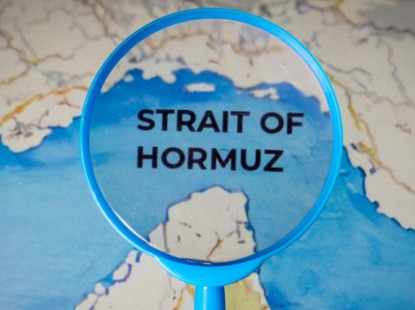
Disruptions to commercial shipping through the Strait of Hormuz have unsettled global energy markets, contributing to higher oil and fuel prices and placing additional pressure on American households. As the conflict has dragged on, its costs have become increasingly visible beyond the defence budget and the military balance in the Middle East. They are now felt through gasoline prices, transportation expenses and the broader cost of living. Iran, once largely a foreign policy concern for American voters, has become part of their domestic economic calculations.
The midterm elections offer an indication of the political consequences of this shift. Opinion polls conducted before and after the vote suggest that public support for the war has weakened considerably. In an October national survey, approximately 70 per cent of registered voters wanted the incoming Congress to prioritise ending the conflict with Iran. Post-election polling indicated that roughly 60 per cent regarded the decision to launch military action against Tehran as a mistake. High fuel prices and the rising cost of living also ranked among voters’ leading economic concerns.
These findings do not establish that the war alone determined the election results. The economic pressures facing American households reflect several factors, including inflation, tariffs and fiscal policy. Nor can opposition to the war be treated as synonymous with support for Iran. What matters strategically for Tehran, however, is the growing association between military confrontation with Iran and economic hardship in the minds of American voters. If that association persists, the political costs of another confrontation could weigh on Washington’s calculations long after the current conflict has ended.
Tehran’s New Leverage Against Washington
The political repercussions of the war could alter Iran’s strategic calculations, both on the battlefield and at the negotiating table. The conventional military balance overwhelmingly favours the U.S., and Tehran has little prospect of matching American capabilities directly. Yet Iran retains an important means of offsetting this imbalance: its ability to impose costs far beyond its own territory and the immediate theatre of operations.
The Strait of Hormuz is central to this capability. As one of the world’s most important energy transit routes, it is vulnerable to disruptions that can drive up oil prices, shipping costs and insurance premiums even without a complete interruption of maritime traffic. By threatening energy flows through the strait, Tehran can impose economic costs on the U.S. and its partners that are disproportionate to its conventional military strength.
The war has demonstrated how quickly these costs can reach the American economy and acquire domestic political significance. The swift reaction of oil markets to expectations of a possible end to the conflict following the midterm elections further underscores the sensitivity of energy prices to developments in the confrontation. For Tehran, the implication is that its ability to disrupt maritime traffic is not merely a means of military retaliation. It is also a source of political leverage over Washington.
This adds an important dimension to Iran’s deterrence strategy. Traditionally, assessments of Tehran’s capacity to deter American military action have focused on its missile arsenal, air defence systems and ability to strike U.S. military installations and regional partners. These capabilities remain relevant, but the war has highlighted another consideration: Iran’s ability to make military confrontation economically painful and politically costly for the administration responsible.
The distinction matters. Iran does not need to overcome American military superiority to influence Washington’s decisions. If Tehran can credibly threaten disruptions that raise energy prices, intensify pressure on household budgets and generate electoral consequences, it may constrain the circumstances under which an American president is willing to use force. Economic disruption, in other words, can reinforce military deterrence by raising the domestic political price of escalation.
This effect could extend beyond the Trump administration. Future presidents contemplating military action against Iran would have to consider not only the likely effectiveness of an operation and Tehran’s capacity to retaliate, but also its potential consequences for energy markets, inflation and the cost of living. The experience of the current war could make these considerations more prominent in American strategic planning.
None of this eliminates Washington’s overwhelming military advantages or guarantees that economic concerns will prevent another confrontation. But it complicates the calculation. The question for American decision-makers is no longer simply whether they can strike Iranian targets or withstand Tehran’s military response. It is also whether the resulting economic disruption can be sustained politically at home. As long as Iran retains the capacity to threaten shipping through the Strait of Hormuz, that question will remain relevant.
Tehran’s Strategic Gains
The electoral setback suffered by Republicans does not mean that Iran faces fewer immediate military risks. Trump retains his presidential authority and powers as commander-in-chief, while the newly elected Congress, in which Democrats will hold the majority, will not take office until January 3. The institutional constraints arising from the elections have therefore yet to materialise. In the meantime, the administration retains considerable latitude to pursue further military action, and statements by its officials suggest that additional operations against Iran remain under consideration.
The longer-term political environment, however, may be shifting. Following their electoral success, Democrats have increasingly linked the war with Iran to the cost-of-living crisis, presenting the two as interconnected elements of their political agenda. Public concern over energy prices and opposition to the conflict give the party an opportunity to sustain pressure on Republicans and carry the momentum of its midterm victory into the 2028 presidential election.
Some leading Democrats have already begun to frame ending the war as part of a broader effort to ease economic pressures on American households. Senator Kirsten Gillibrand, chair of the Democratic Senatorial Campaign Committee (DSCC), argued immediately after the elections that the conflict had raised gasoline and diesel prices while contributing to broader increases in consumer costs through supply-chain disruptions. She explicitly identified ending the war as a Democratic priority.
For Tehran, these developments could affect the perceived balance between the costs of continued resistance and the benefits of reaching an agreement with Washington. If Iran’s leadership believes it can withstand further military pressure while preserving its remaining deterrent capabilities, it may see less reason to make substantial concessions to the Trump administration. The prospect of growing domestic opposition to the war, particularly as the 2028 presidential election approaches, could strengthen the belief that time is working in Iran’s favour.
Such a calculation would carry risks. Prolonging the confrontation would expose Iran to further military attacks and economic deterioration, while the expectation of a more favourable political environment in Washington might prove misplaced. Nevertheless, if Tehran concludes that the political costs of the war are becoming increasingly difficult for Trump to manage, it may prefer to preserve its negotiating position rather than accept an agreement on unfavourable terms.
Nor would a change of administration necessarily produce a fundamental shift in American policy towards Iran. Disagreements over Tehran’s nuclear programme, sanctions, regional security and the Strait of Hormuz would persist under a Democratic president. A future administration might also seek to restore American deterrence through military pressure rather than abandon coercive measures altogether.
The more consequential possibility is therefore not that Democrats would necessarily offer Iran a better deal, but that the political threshold for initiating another war could rise. If American voters come to associate military confrontation with Iran with prolonged economic hardship, future administrations may find it harder to justify the costs of escalation. Diplomacy could consequently become more attractive, not because Washington’s underlying objectives have changed, but because the domestic political costs of pursuing them through military force have increased.
This is where the midterm elections may ultimately prove most consequential for Tehran. Iran has suffered substantial military losses and severe economic damage, and its ability to sustain a prolonged confrontation remains uncertain. Yet wars are not judged solely by the destruction inflicted on the battlefield. Their strategic consequences also depend on how they alter the political calculations and future choices of the parties involved.
If Iran can survive the immediate military pressures, retain its capacity to threaten energy flows through the Strait of Hormuz and demonstrate that confrontation carries enduring economic and political costs for the U.S., it could emerge from the war with a stronger deterrent position than its military losses alone would suggest.
That would not amount to an Iranian military victory, nor would it erase the damage Tehran has suffered. But if the experience of the war makes future American administrations more reluctant to resort to force, Iran will have secured something of lasting strategic value. Tehran did not win the U.S. midterm elections. It may, however, have gained an advantage from their outcome that could outlast the Trump presidency.