Iran faces a strategic dilemma: the longer the stalemate persists, the greater the economic costs, but waiting could yield political dividends.
How Can Iran Break the ‘Neither War nor Peace’ Deadlock?

The Islamabad Agreement may have brought large-scale hostilities between Iran and the United States to a halt, but it has done little to ease the economic and security pressures of war. The continued U.S. naval blockade is taking an increasingly heavy toll on an Iranian economy that has yet to recover from the damage inflicted by the war, while the prospect of renewed hostilities remains ever present. Recent statements by senior Iranian officials point to a growing sense of urgency in Tehran about ending this state of “neither war nor peace.”
Yet the outcome of the U.S. midterm elections gives Tehran good reason to bide its time. When Democrats take control of Congress in January, domestic opposition to the war could translate into greater political pressure on the Trump administration. Iran thus faces a strategic dilemma: the longer the stalemate persists, the greater the economic costs, but waiting could yield political dividends. The central question for Tehran is whether to risk renewed military confrontation to break the deadlock or wait for the shifting balance of power in Washington to create more favourable conditions.
The mounting costs of the stalemate
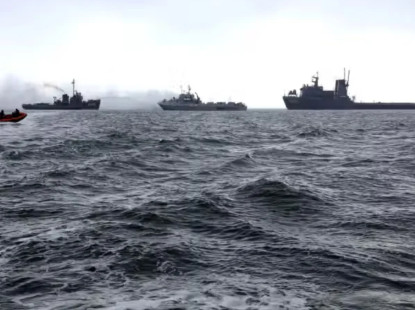
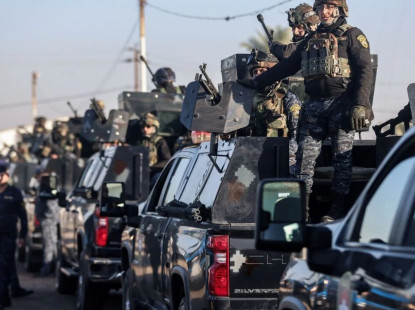
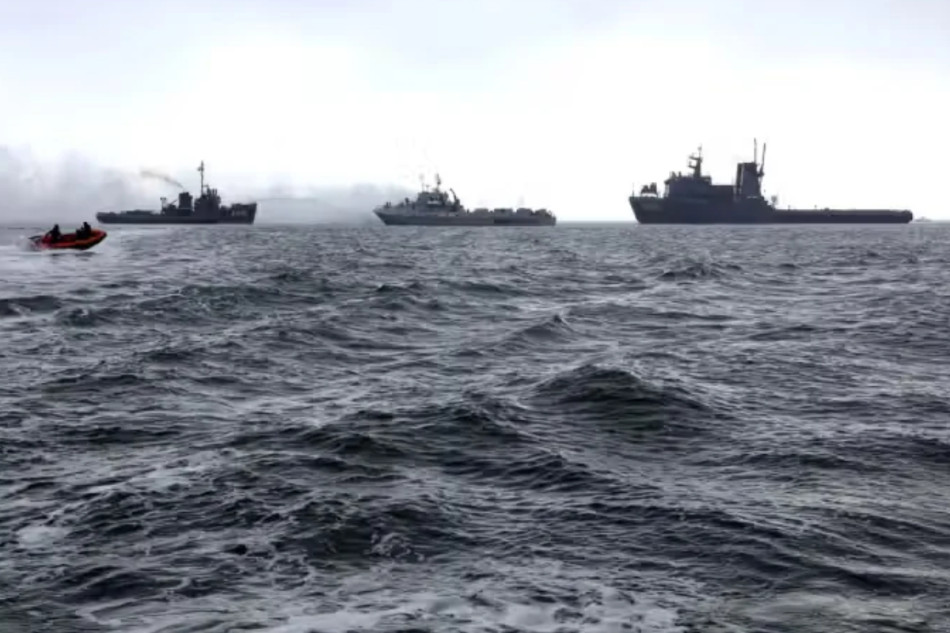
One of Iran’s most pressing challenges is that the costs of war continue to mount even in the absence of large-scale fighting. The U.S. naval blockade continues to restrict Iranian oil exports, depriving Tehran of a vital source of foreign exchange. Meanwhile, persistent military tensions and limited hostilities force Iran to devote considerable resources to defence and security at a time when it is struggling to recover from the economic and military damage inflicted by the war. The current stalemate is thus far from a respite for Iran. Rather, it amounts to a prolonged campaign of attrition in which economic pressure and military threats reinforce one another.
Recent statements by senior Iranian officials underscore the growing urgency in Tehran. On 19 November, Islamic Revolutionary Guard Corps (IRGC) spokesperson Hossein Mohebbi declared that Iran would tolerate neither a prolonged war of attrition nor the continuation of the blockade. Foreign Minister Abbas Araghchi, meanwhile, stressed that diplomatic efforts to end the impasse were ongoing. On 22 November, Parliament Speaker Mohammad Bagher Ghalibaf pointed to Supreme Leader Mojtaba Khamenei’s directive to end the state of “neither war nor peace.” A day later, Foreign Ministry spokesperson Esmaeil Baghaei warned that Iran could resort to all means at its disposal in response to the naval blockade. These statements point to a broad consensus across Iran’s military, political and diplomatic leadership on the need to break the deadlock. Whether that consensus extends to how this should be achieved, however, remains unclear.
The debate in the Iranian media is equally revealing. Calls for military action to end the U.S. naval blockade have grown more prominent, particularly in outlets closely aligned with the political establishment. Such calls should not be mistaken for evidence that a decision to launch a military operation has already been taken. Nevertheless, the growing willingness to debate military options publicly suggests that Tehran’s tolerance for the status quo is diminishing.
Even as military options are being debated, Tehran continues to pursue diplomatic initiatives through Oman and Qatar. It has, however, shown no sign of retreating from its seven conditions, foremost among them the lifting of the naval blockade, sanctions relief and the release of frozen Iranian assets. The underlying strategic problem for Tehran is that Washington has found a way to sustain pressure on Iran without resuming large-scale hostilities. If the current arrangements become entrenched, the U.S. could continue to erode Iran’s economic strength and strategic position without bearing the costs of another war.
Tehran’s strategic dilemma
For Tehran, how and when to end the stalemate matters as much as ending it. Every additional day of the naval blockade compounds Iran’s economic difficulties. Washington is betting that sustained pressure will eventually force Tehran to make further concessions at the negotiating table. Waiting could therefore cost Iran not only economically but also diplomatically, eroding its bargaining position in any future negotiations with the Trump administration. Yet the outcome of the U.S. midterm elections gives Tehran compelling reasons to exercise restraint.
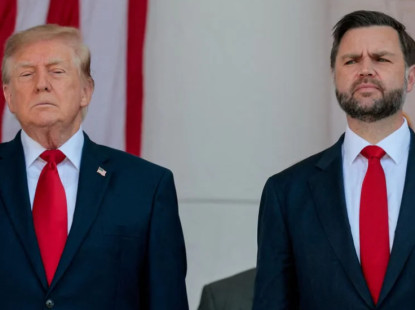
Recent developments in Congress suggest that the war with Iran could become a major point of contention between the Trump administration and the Democrats in the coming months. On 19 November, the Senate rejected a resolution seeking to curtail Trump’s war powers with respect to Iran by 51 votes to 48. Democratic senators, including Tim Kaine, Kirsten Gillibrand, Chris Van Hollen and Tammy Duckworth, nevertheless continue to pursue measures to restrict funding for military operations against Iran. Some are even seeking to use negotiations over the stopgap federal funding measure, which expires on 11 December, to advance this objective. That Democrats are pursuing these initiatives even before taking control of both chambers of Congress suggests that the Trump administration could face considerably greater political and institutional constraints on its conduct of the war from January onwards.
These developments could weigh heavily on Tehran’s calculations. Some in Iran argue that if the country can withstand the current pressures for a few more months, it may be able to negotiate an agreement with the Trump administration on more favourable terms than are currently available. The logic is that by absorbing the economic costs of the stalemate in the short term, Iran could eventually secure the lifting of the naval blockade and some relief from economic pressure without incurring the costs of another major war.
Democratic control of Congress will not, of course, deprive Trump of the ability to use military force against Iran, nor does it mean that Democrats will be more receptive to Tehran’s demands at the negotiating table. But if continuing the war becomes increasingly costly for the Trump administration at home, a negotiated settlement may become a more attractive option for Washington.
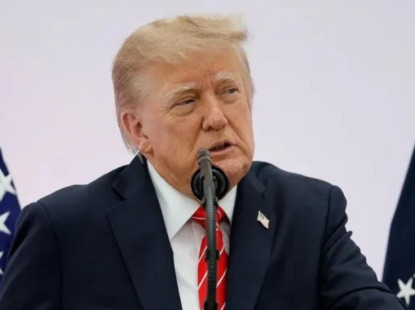
Herein lies the greatest danger for Tehran. Waiting for the political shift in Washington to translate into a change in U.S. policy could expose Iran to further economic and strategic losses. Yet an attempt to break the deadlock by military means could plunge the country into another major war and squander whatever diplomatic opportunities the changing political landscape in Washington might afford. A particularly dangerous miscalculation would be for Tehran to mistake the Trump administration’s growing domestic political difficulties for a diminishing willingness to use military force. Mounting public and congressional opposition to the war should not be confused with a weakening of the administration’s resolve to respond militarily to Iran.
Neither patience nor escalation, then, offers Tehran a low-risk way forward. The shifting political landscape in Washington may offer Iran a path out of the stalemate without another war. But whether that opportunity will materialise, and whether Iran can withstand the mounting pressures long enough to seize it, remain open questions. It is these two uncertainties that make Tehran’s strategic dilemma so acute.